Showing posts with label Anigozanthos flavidus. Show all posts

Sunday, April 17, 2016

Garden Bloom in April

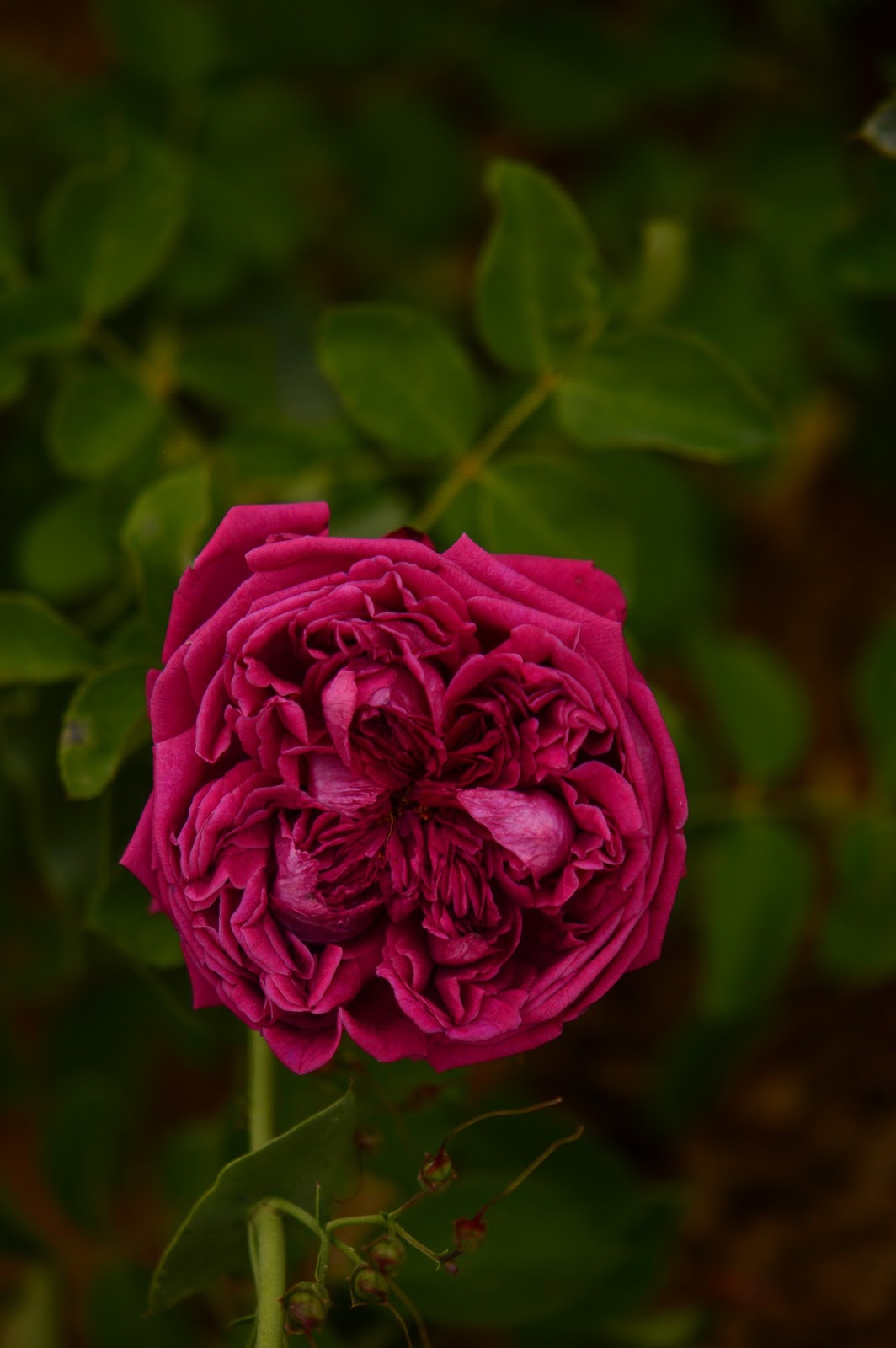
rose, st swithun, amy myers, small sunny garden, desert garden,
April has been a wonderful season for annuals and roses here in the small, sunny garden.

There are sweet peas -- a nice showing from my handful of "Old Spice" seedlings...
sweet pea, old spice, amy myers, small sunny garden, desert garden,
sweet pea, lathyrus, old spice, amy myers, small sunny garden, desert garden,
sweet pea, old spice, amy myers, small sunny garden, desert garden,
...and California poppies (Eschscholzia californica)...
eschscholzia californica, poppy, amy myers, small sunny garden, desert garden,
Cerinthe major purpurea is still blooming vigorously.
cerinthe major purpurea, honeywort, , amy myers, small sunny garden, desert garden,
Cerinthe major purpurea against a cluster of bright scarlet pelargoniums
The classic pelargoniums are flowering well: a coral orange variety and (below) the even more traditional scarlet.
pelargonium, geranium, amy myers, small sunny garden, desert garden,
In addition, German chamomile (Matricaria chamomilla) has self-seeded from last year and is now opening a few flowers.

But the big surprise has been the early opening of my sunflowers, which I wrote about in my last post.  Sunflower "Cutting Gold" has not yet reached its stated 5 ft tall, but why complain?  The bees don't!  And I'm pleased with the traditional yellow and brown flowers.
sunflower, cutting gold, amy myers, small sunny garden, desert garden,
Then there are the roses.
rose, james galway, amy myers, small sunny garden, desert garden,
rose James Galway
The first flush was abundant, but blooms in the Rose Border had quite a bit of trouble with windburn.  Some failed to open while others were splotched or turned to crepe.  At the same time there were thrips, which did plenty of damage as well.  As the flowers recovered from the windburn, the thrip problems began to resolve.  I don't know what will be seen over the next week as we have had another bout of heavy wind the last few days and yesterday in particular, with gusts around 35 to 40 mph (56 to 64 kph). Thankfully the winds have been cool, but they are still very drying to plants in their path.  And the baby Palo Verde tree which begins the new sheltering lane for the roses needed a bit of protection itself!  I must set to and stake it soon.

Speaking of which, the young Palo Verdes (Parkinsonia, probably the hybrid "Desert Museum") are blooming as well.
parkinsonia, palo verde, amy myers, small sunny garden, desert garden,
Back to the roses!

In spite of weather there was a good early showing from most of the bushes.  St. Swithun...
st swithun, rose, david austin, english rose, amy myers, small sunny garden, desert garden,
...Crown Princess Margareta...
rose, crown princes margareta, amy myers, small sunny garden, desert garden,
...The Generous Gardener...
rose, the generous gardener, amy myers, small sunny garden, desert garden,
...and James Galway.
rose, james galway, amy myers, small sunny garden, desert garden,
James Galway.  This picture shows the spotting on some of the outer petals.
Graham Thomas continues to fall behind the other roses, simply unhappy with the moisture conditions, I believe.  This most beautiful (when well grown) of the David Austin roses is apparently not a good candidate for growing in the desert.

Quite the opposite is Wollerton Old Hall, flowering luxuriantly at the top of the Central Bed.  Given its location, it had minimal trouble with wind or thrips and has poured out a torrent of bloom.
rose, wollerton old hall, amy myers, small sunny garden, desert garden,
Sterling Silver has also bloomed freely.
rose, sterling silver, hybrid tea, amy myers, small sunny garden, desert garden,
Hybrid tea rose Sterling Silver.  Yes, the colour is indeed this blue as shadow falls across the garden.
A real treat is William Shakespeare 2000, transplanted from the patio last autumn, and now thriving in the Central Bed.  I love this variety, not only for the sumptuous, quartered blooms, but also for the equally sumptuous fragrance.
rose, william shakespeare 2000, amy myers, small sunny garden, desert garden,
Lastly, The Alnwick Rose has been another mass of bloom at the opposite corner.
rose, the alnwick rose, amy myers, small sunny garden, desert garden,
The miniatures have given a nice showing as well.

Unexpected rebloom has come from Anigozanthos flavidus, grown in a container...
kangaroo paws, anigozanthos flavidus, amy myers, small sunny garden, desert garden,
...and Eremophila maculata "Valentine" -- not a lot of flowers, but a pleasant little burst of colour well after the main blooming season, which is early spring.  A very deep soaking may have contributed.
eremophila maculata, valentine, amy myers, small sunny garden, desert garden, emu bush
First flowers are coming now on summer-blooming Gaura (Oenothera lindheimeri).  This is an unidentified pink variety, whose burgundy stems and leaves add interest in their own right.
gaura, oenothera lindheimeri, amy myers, small sunny garden, desert garden,
Another source of excitement has been the first blooms from my new Chrysactinia mexicana.  This plant seems possibly to be a heavier bloomer than its predecessor (sadly lost in an attempt to transplant it), but that may be due to the change in location.  Chrysactinia mexicana is one of the few plants I have grown here that seem to prefer more sun rather than less.
chrysactinia mexicana, damianita, amy myers, small sunny garden, desert garden,
Lastly, there are a number of hummingbird plants that are blooming now, including three fairly new to the garden.

Calliandra californica, expected to grow to roughly 4 ft (1.2 m)...
calliandra californica, baja red, fairyduster, amy myers, small sunny garden, desert garden,
...the small perennial Cuphea ignea "Vermillionaire"...
cuphea, vernillionaire, amy myers, small sunny garden, desert garden,
...and the potentially much larger Justicia californica, which is already proving a magnet for hummingbirds.  It is said to bloom primarily in the cooler seasons, so is winding down now for the summer.  Nevertheless, it has some flowers left, very much like the Cuphea above: long, slender scarlet tubes.
justicia californica, chuparosa, amy myers, small sunny garden, desert garden,
April is certainly a lovely month in the desert garden!

Thanks to Carol at May Dreams Gardens for hosting Garden Bloggers' Bloom Day each month!
california poppy, amy myers, small sunny garden, desert garden, Eschscholzia californica
Weather Diary: Overcast; High: 83 F (28 C)/Low: 60 F (16 C)

Monday, December 29, 2014

An Australian in Arizona

Anigozanthos flavidus, Kangaroo Paws, Anigozanthos flavidus flowers
I first learned of Anigozanthos flavidus, the Kangaroo Paws of Australia, during some fast, intense research just before beginning my desert garden.  Very mildly acquainted with the plant, I purchased a small, blooming specimen in November.  I then brought it home and (of course!) looked it up again.  To my surprise, the New Sunset Western Garden Book did not recommend it for the low desert climates.  I could make nothing (and still can't!) of the distinctions: where it is expected or not expected to grow in the American Southwest.  So I posted about my new plant on Google Plus and asked my Australian friends for advice.  The opinions I received gave me the following information.
  1. The plant can stand desert heat
  2. The plant can withstand a little frost
  3. Kangaroo Paws detest wet feet and should be tried first in a container,  raised off the ground for better drainage
  4. Cut leaves and flowering stems back as necessary
  5. Intelligent neglect is recommended
So a few days after collecting this helpful information, I went out to pot up my acquisition.  I was not a bit pleased with myself when I found that somehow the pot had been standing in water left over from nearby plants!  The little Anigozanthus already looked the worse for it.  Larger leaves showed some dieback, and the blooms were turning brown.  While resolving to replace the plant if necessary, I thought I would give this one the best chance I still could, so I took it out to the garden and potted it up immediately.

It is a curious statement about my garden soil that I added some of our gravelly top soil to the potting mix I was using.  I wanted to ensure good drainage.  My soil here seems to be a mix of clay and sand, and I find that clay plus sand does not equal garden loam!  In fact, the topsoil near the house is layered: gravel and sand on top, heavier soil beneath.  So I scraped up the gravelly bits and added this to the good moisture-retentive potting soil!

I put the plant in and clipped back the dying leaf sections, having read about a major Australian hybridizer cutting the leaves back drastically - sometimes even with a tractor!  I cut back the old flowering stems.  The results were a spindly little plant that still had a lot of good green growth in the center.  Anigozanthos forms little fans of leaves from the base.  This one still has several young fans in perfectly good condition.
Anigozanthos flavidus, Kangaroo Paws
Since then, I have tried to keep my neglect intelligent.  The plant is taking it all in stride as a good, sturdy, desert native should do.  So far the results are good, though I suppose it will be quite a while before it produces more of its rather exotic, furry blooms...  (These photos were taken before I repotted it.)
Anigozanthos flavidus, Kangaroo Paws, Anigozanthos flavidus flowers
Anigozanthos flavidus, Kangaroo Paws blooming stems
So a big thank you to Elizabeth and Frank for their advice - so far all is well with the Kangaroo Paws!
Anigozanthos flavidus flower, Kangaroo Paws flower